
BIOTECH
EXPERT PERSPECTIVES / PLTEX
Dermatology Annual Meeting: Dr. Tsai (蔡詩辰) and Dr. Ting (丁彙矩) Discuss PLTex
Original article published 28 November 2025
繁中 | EN
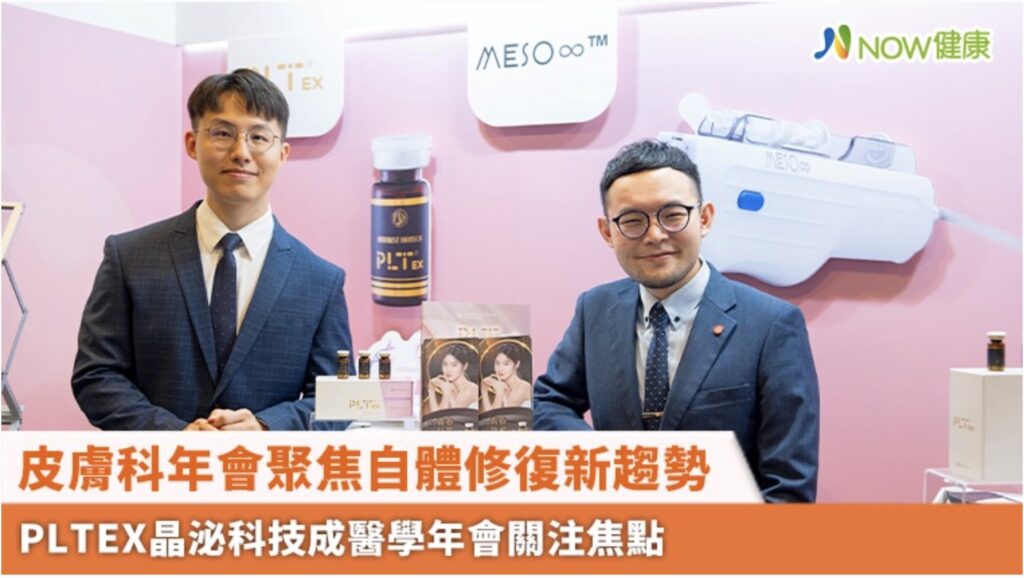
Original report: NOW Health, Lin Chih-yuan, Taipei. The 2025 Autumn Dermatology Annual Meeting centered on artificial intelligence and precision medicine. One topic in aesthetic medicine was PLTex, a newer autologous technology. Dr. Tsai (蔡詩辰) and dermatologist Dr. Ting (丁彙矩) of 辰美學 shared their clinical observations, describing a shift from collagen induction toward stronger cellular signaling and integrated recovery care.
Platelet-Derived Vesicles and Repair Signaling
Dr. Ting explains that conventional PRP uses platelet growth factors in wound healing and collagen formation. He describes PLTex as seeking a deeper level of signaling through the inclusion of autologous platelet-derived vesicles, with the aim of making repair signals more direct and broadly available.
In the original report, Dr. Ting describes a 250 mL whole-blood collection processed in a sterile laboratory into 20 vials of concentrated powder. He cites figures of one billion intact platelets and 150 billion platelet-derived vesicles, together with removal of 99% of leukocytes. He associates leukocyte removal with less discomfort, inflammation and swelling, and states that no activator is added and irradiation sterilization is used.
He also describes room-temperature storage for three years and multiple uses from one collection, reducing the need for repeated blood draws. He characterizes this as concentrating repair signals and extending the discussion from superficial repair toward deeper regenerative processes.
Physicians' Perspectives on Combined Care
Dr. Tsai identifies stability, concentration and the ability to plan multiple sessions as reasons for considering PLTex alongside post-procedure care. She describes its intended role in shortening redness and swelling, reducing inflammation risk and supporting skin-barrier rebuilding, particularly for sensitive skin or patients undergoing repeated aesthetic procedures.
In her view, precisely delivered repair signals could be discussed beyond conventional post-procedure care, including ongoing inflammatory skin concerns. She also mentions combinations with nanocarriers or delivery techniques such as electroporation, ultrasound and microneedling.
Communication Before and After Treatment
Dr. Tsai advises ensuring that the treatment area has no infection or open wound before a procedure and assessing suitability before combining delivery with energy-based treatments. In the first week afterward, she recommends avoiding acids and irritating skincare, strengthening moisturizing and sun protection, and avoiding heat and excessive sun exposure. She notes that mild redness or swelling may settle in one or two days and mentions recovery masks and cool compresses as supportive measures.
She emphasizes choosing a reliable professional clinic and compliant product sources, and discussing skin condition and treatment history with the physician. Allergies, pregnancy or breastfeeding should be raised in advance so that the treating physician can assess suitability.
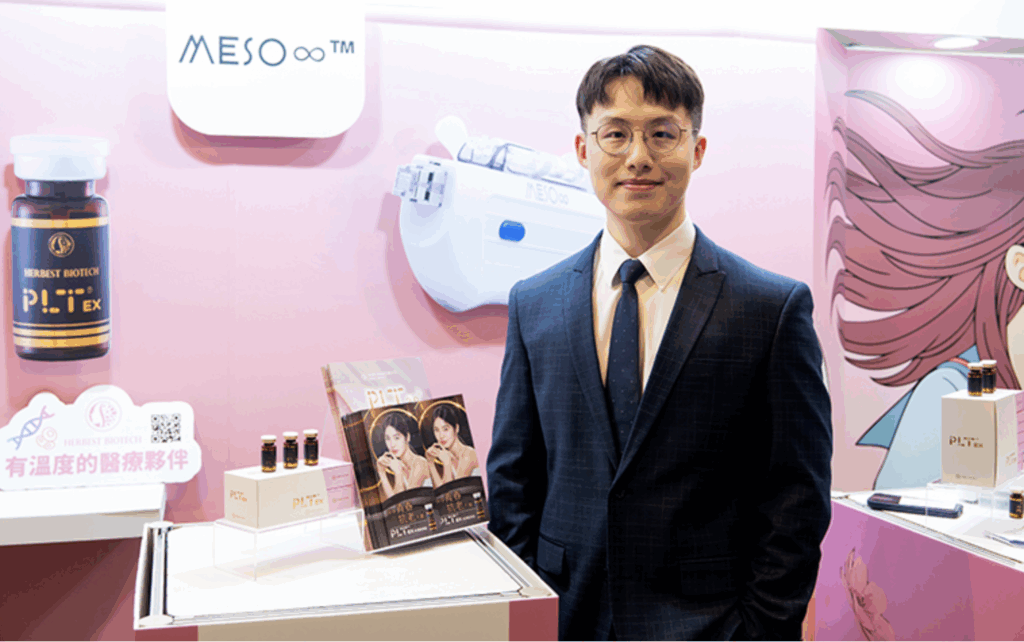
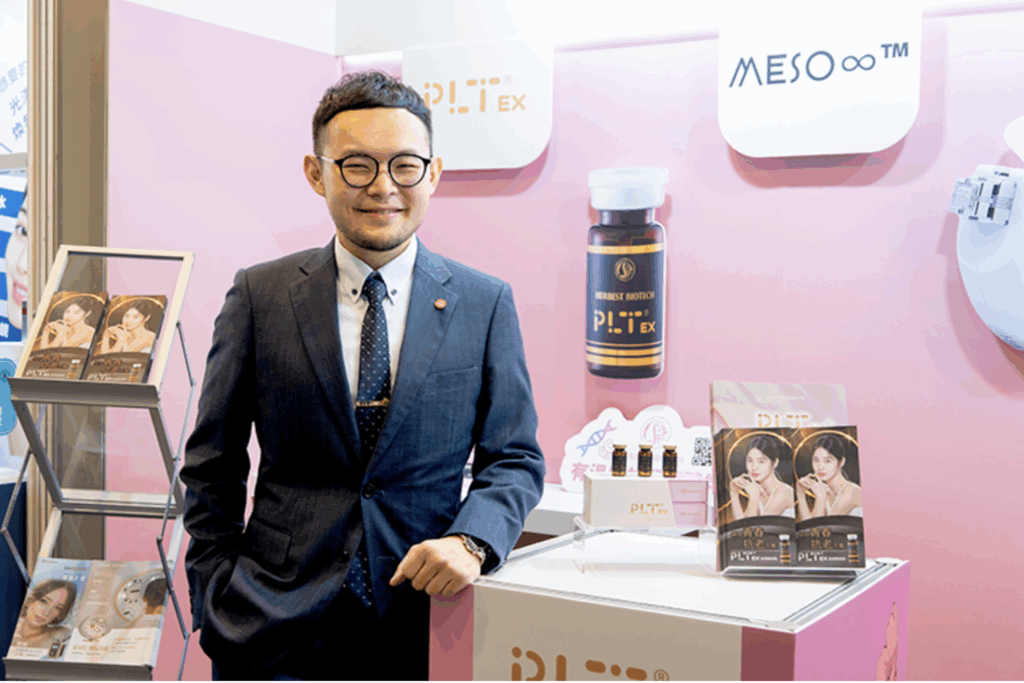
Original photography: Lin Chih-yuan. Product quantities, storage periods and clinical observations are presented as statements attributed to the physicians in the original report.
Images from the Original Article
BIOTECH
Where expertise and aesthetics meet.
Linkou Headquarters
Taichung Office
This website is intended for medical and biotechnology professionals. Members of the public should consult a qualified healthcare provider.
© 2026 HERBEST BIOTECH