
BIOTECH
EXPERT PERSPECTIVES / EVE MUSE
Dr. Chen (陳威宇) on EVE MUSE Analysis and Microneedling for Acne Scars and Pores
Original article published 1 November 2025
繁中 | EN
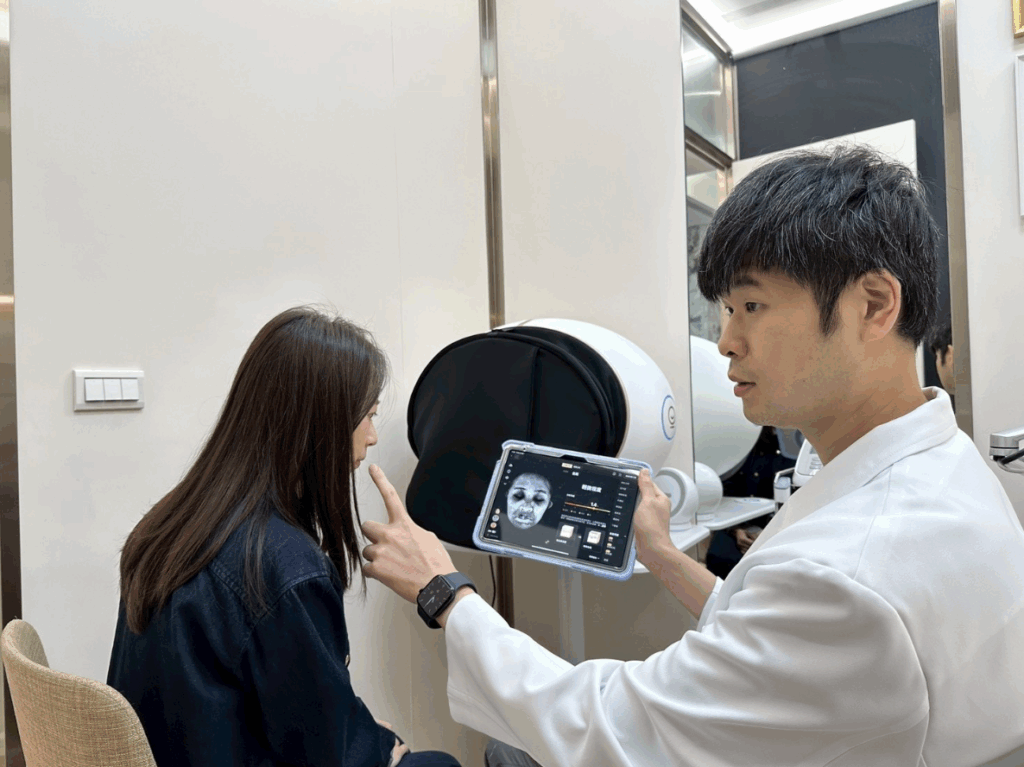
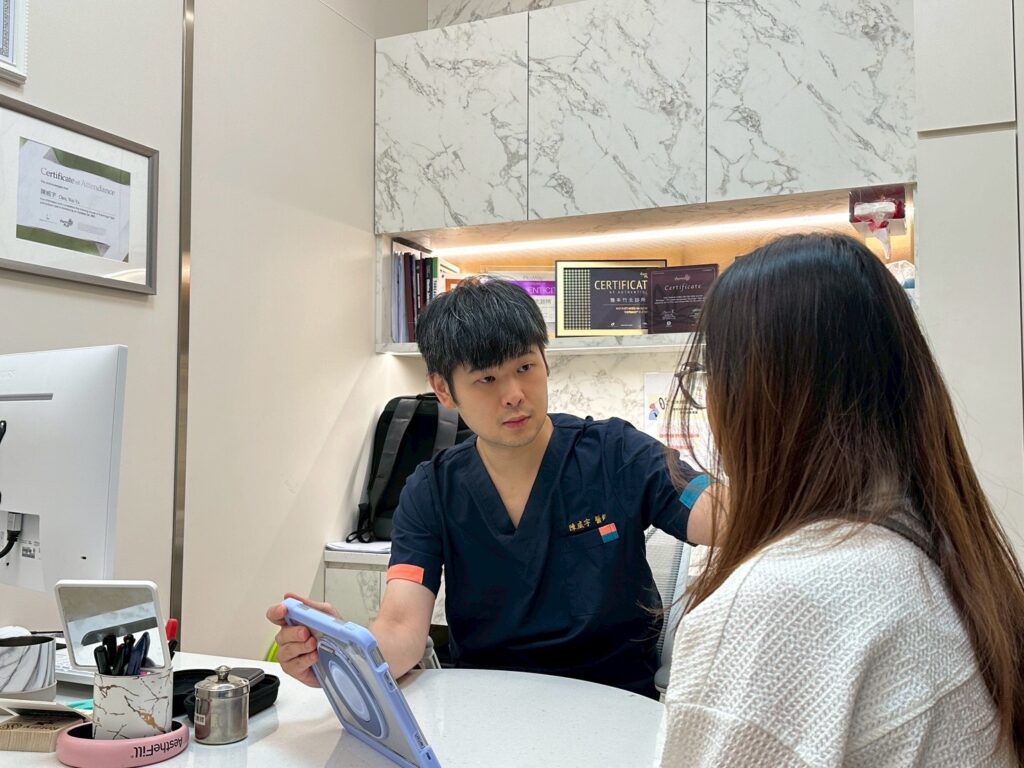
Acne scars and enlarged pores are common concerns that are rarely resolved in one step. Dr. Chen (陳威宇), deputy director of the clinic 雅丰竹北診所, explains that conventional approaches such as lasers, peels and topical acids may be limited by penetration depth or the extent of tissue affected, and may not always provide lasting results for deeper depressed scars or enlarged pores.
He notes that pores in younger patients are often associated with oil production and inherited characteristics, while older patients may have changes related to collagen loss or UV damage. Scar treatment depends on the scar type, although collagen regeneration remains a central consideration. Finding the underlying cause and designing individualized care have therefore become important clinical priorities.
Dermapen: Adjustable Microneedling and Personalized Care
Dr. Chen describes Dermapen as vertically vibrating, adjustable microneedles that create uniform microchannels in the dermis. It uses physical stimulation rather than a thermal pathway, with the aim of engaging the skin’s repair processes and collagen and elastic-fiber regeneration.
Compared with energy-based procedures such as lasers or radiofrequency microneedling, he explains that Dermapen does not introduce heat. He associates this with a lower risk of post-inflammatory pigmentation, shorter recovery and fewer skin-tone restrictions. Needle depth and speed can be adjusted to skin condition and scar depth, from superficial pores and fine lines to deeper depressed scars. He also discusses the concurrent use of regenerative serums or growth factors.
For shallower texture concerns and depressions, he describes uniform microneedling stimulation. Deeper scars may require more extensive release and, when appropriate, localized injections or other approaches. He notes that directly filling depressed scars with hyaluronic acid or fat can be affected by firm scar tissue, movement or uneven absorption. In selected cases, he considers dermal grafting an option because of tissue integration and stability.
Why Use AI Assessment? Making Skin Condition Visible
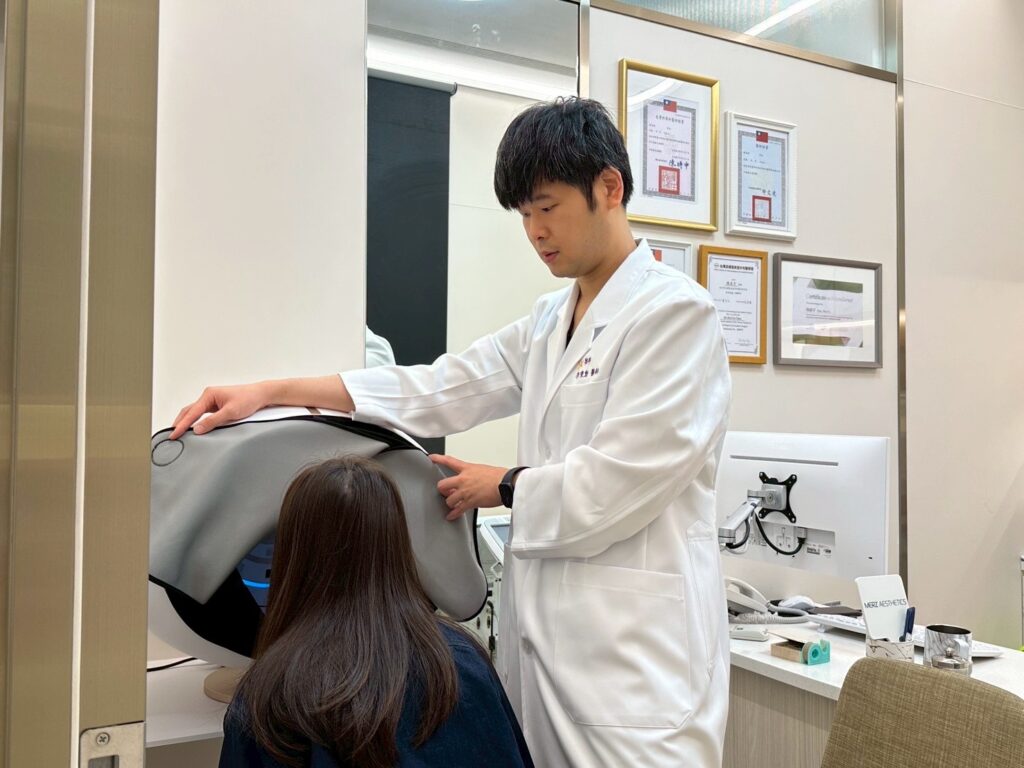
Visual examination and palpation alone can make it difficult to consistently assess scar patterns, pore distribution and skin condition. Lighting, angles and photography may influence comparisons. Dr. Chen describes EVE MUSE multispectral imaging and AI analysis as a way to capture images under consistent conditions and quantify redness, pigmentation, pore density and texture uniformity, building a standardized skin record.
He says this can help identify overlooked concerns such as sensitivity, uneven oil-and-water balance or laxity, while supporting a more comprehensive assessment. Consistent before-and-after conditions also help reduce differences caused by subjective impressions.
As an example, he describes patients who perceive only limited improvement while analysis shows fewer visible acne scars, less pronounced pores or reduced redness. Such information can support patient confidence. He also mentions cases that appeared to involve enlarged pores but were associated with excessive sebaceous activity, prompting a change in strategy and helping avoid unnecessary treatment.
Following Changes with Data
EVE MUSE can be used to compare scar counts, pore density and texture uniformity before and after a course of treatment. Dr. Chen generally suggests reviewing after a complete three-session course. If a patient is concerned about darkening or pigmentation, analysis can provide additional information when considering whether the change relates to treatment or factors such as sun exposure or altered daily habits.
Dr. Chen emphasizes that AI assessment supports physicians in analysis and follow-up, while final interpretation and decisions still require clinical experience and professional judgment. Objective information and physician expertise work together in planning safe, consistent care.
Images from the Original Article
BIOTECH
Where expertise and aesthetics meet.
Linkou Headquarters
Taichung Office
This website is intended for medical and biotechnology professionals. Members of the public should consult a qualified healthcare provider.
© 2026 HERBEST BIOTECH