
BIOTECH
MEDIA / PLT 2.0 ARCHIVE
Dr. Shen Discusses PLT, Personal Needs and Clinical Assessment
Original article published December 27, 2024
繁中 | EN

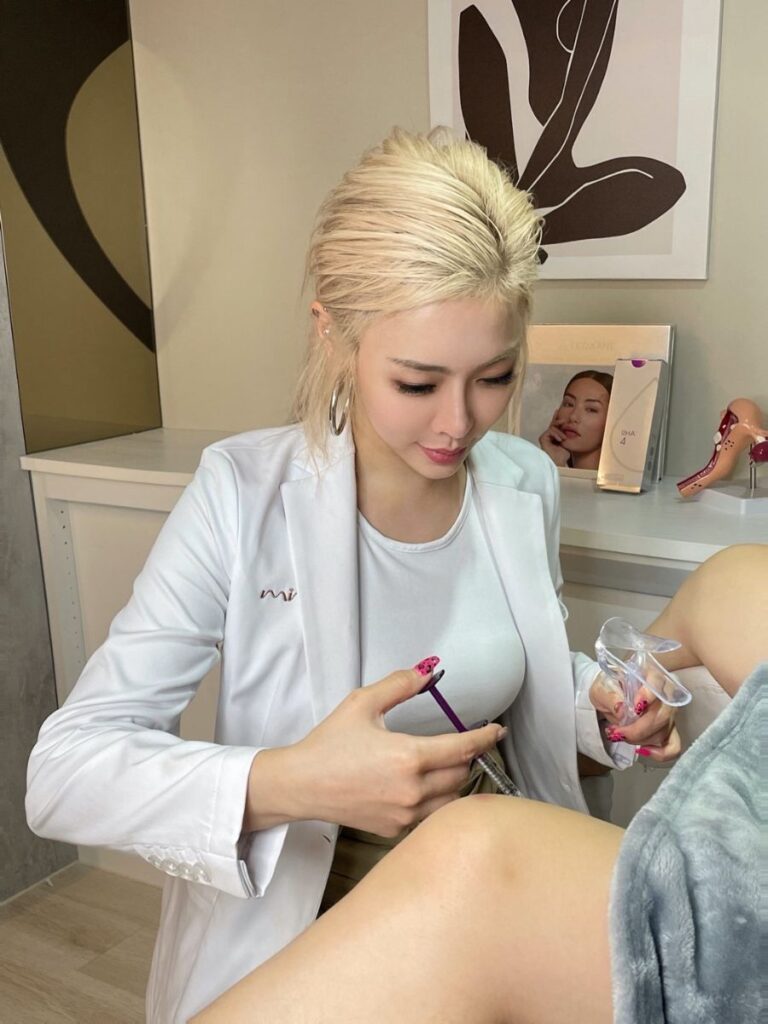
Dr. Shen (沈怡岒), deputy director of 台北秘境美學診所, discusses platelet-related approaches in this archived feature. The article presents PLT as a freeze-dried autologous platelet preparation and compares its preparation and storage workflow with PRP made for use at the same visit.
Why preparation matters
The report describes purification, vial allocation and consistency as reasons for the interest in PLT. It reports more than one billion platelets per vial and a workflow in which a 250 cc blood draw yields around 20 vials, with storage up to three years under the conditions described in the original. These are historical product and preparation statements from the feature, not independently verified current specifications.
Dr. Shen discusses intimate-area concerns reported by postpartum patients, including dryness and discomfort, as well as atrophy and urinary symptoms. She compares the experience of repeated PRP blood draws with a preparation that can be divided into multiple vials. Suitability depends on a clinical evaluation of the actual symptoms.
Different areas, different goals
Scalp and facial skin are also discussed, along with the physician’s interest in tissue-repair and inflammatory responses. The original describes patients seeking alternatives to fillers for fine lines around the eyes or forehead, or considering combinations with hydration procedures.
The feature reports positive patient feedback, but these observations do not establish that the approach is risk-free or that every concern has the same treatment pathway.
Communication and preparation
Dr. Shen emphasizes discussing the goal, health history and medicines before a blood draw. The article records her preparation advice about meals, restrictive dieting, oily or spicy foods, alcohol, menstrual timing and medicines affecting immunity or coagulation. These belong to the clinician’s reported protocol and should not prompt readers to change medication on their own.
The original discusses three to five visits spaced four to six weeks apart as an example. It also mentions following prescriptions, avoiding strenuous activity and monitoring reactions. Redness or swelling lasting several days is described, while worsening pain or obvious allergy calls for prompt return to the treating clinic.
The report closes with the importance of a full discussion and individual assessment before any procedure.
Source: HERBEST’s archived feature with Dr. Shen (沈怡岒). Original article images retained.
Images from the Original Article
BIOTECH
Where expertise and aesthetics meet.
Linkou Headquarters
Taichung Office
This website is intended for medical and biotechnology professionals. Members of the public should consult a qualified healthcare provider.
© 2026 HERBEST BIOTECH