
BIOTECH
PARTNERSHIPS / BIOCRAFT LAB
HERBEST and BioCraft Lab: A Biomedical Partnership Guided by Clinical Experience
Original article published 29 January 2026
繁中 | EN
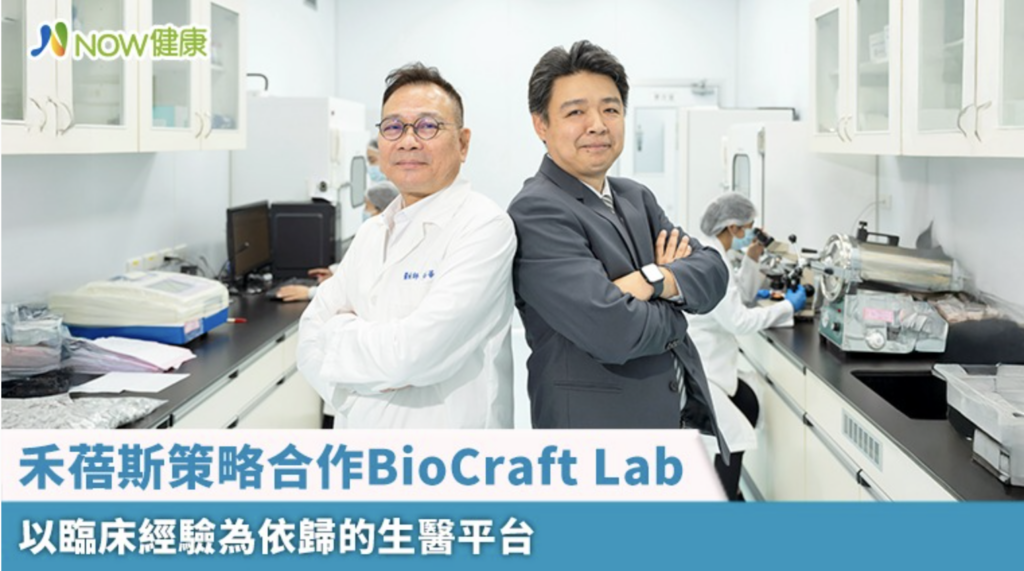
Original report: NOW Health, Lin Chih-yuan, Pingtung. As aesthetic recovery technologies develop, clinical expectations for safety, stability and reproducibility are becoming more demanding. HERBEST Biotech introduced the BioCraft Lab regenerative technology platform to build a mutually beneficial strategic alliance. The report presents PLTex, which combines lyophilized platelet material with autologous platelet-derived vesicles, as an example of translating laboratory development into practical applications. Standardized research and development is central to the platform’s stated ambition.
A Platform Grounded in Clinical Experience
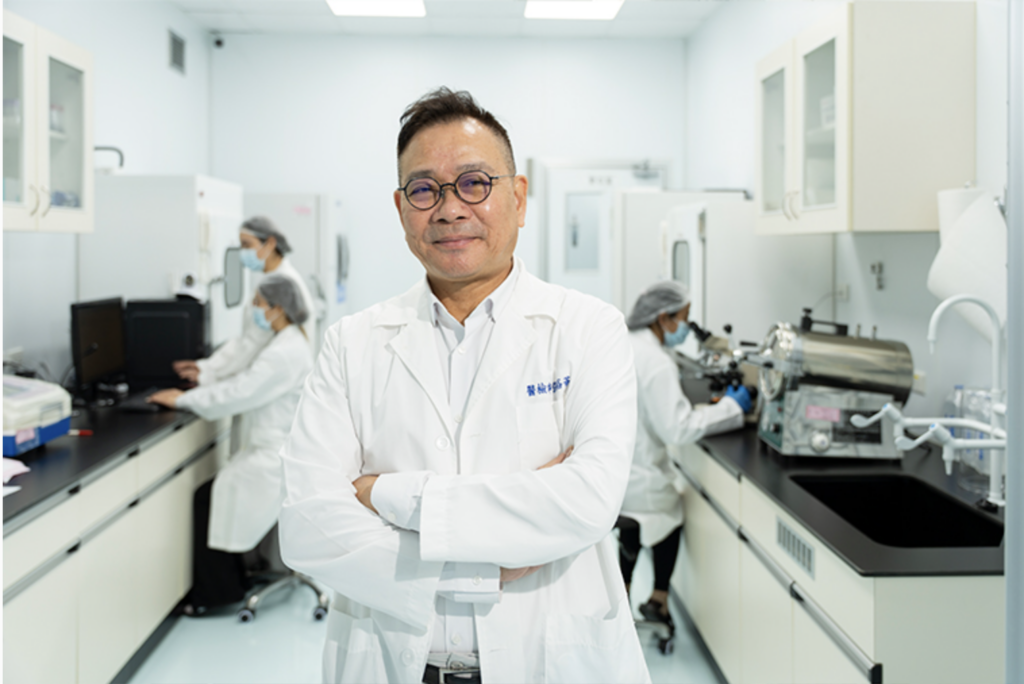
HERBEST General Manager Chen (陳慶檀) explains that the company historically represented aesthetic products and developed long-term relationships with physicians. Feedback from frontline practice suggested that PLT-related approaches could produce results, but material differences between batches could still affect consistency. This led the team to establish BioCraft Lab, seeking a stable, precise and measurable mechanism linking clinical care and skincare.
Chen positions BioCraft Lab as a bridge between clinical practice and research. Problems observed by physicians are taken back to the laboratory for validation, and more consistent findings are returned to clinical partners. The intended approach is to make processes and ingredients verifiable and traceable.
Standardization and Platelet-Derived Signaling
Chen identifies standardization as a major challenge: even autologous materials can differ in concentration and activity. Physicians and laboratories also prioritize different questions. Clinical teams focus on recovery, efficiency, adverse effects and cost, while laboratories focus on data, concentration and stability. He describes continuing refinement as the route to bringing laboratory results into usable workflows.
He says the earlier PLT and second-generation PLT 2.0 products moved toward standardized doses, quantities and specifications. PLTex is presented as a further integration rather than a replacement: separately prepared active components are combined in one vial under one standard to make physician handling more convenient and outcomes more predictable.
Chen reports that cell-model experiments showed longer-lasting platelet repair signaling after the addition of autologous vesicles, with more consistent overall responses. He describes clinical areas of interest including post-procedure recovery, skin reconstruction, post-laser care and adjunctive use in collagen-stimulation plans.
Two-in-One Lyophilization and Room-Temperature Storage
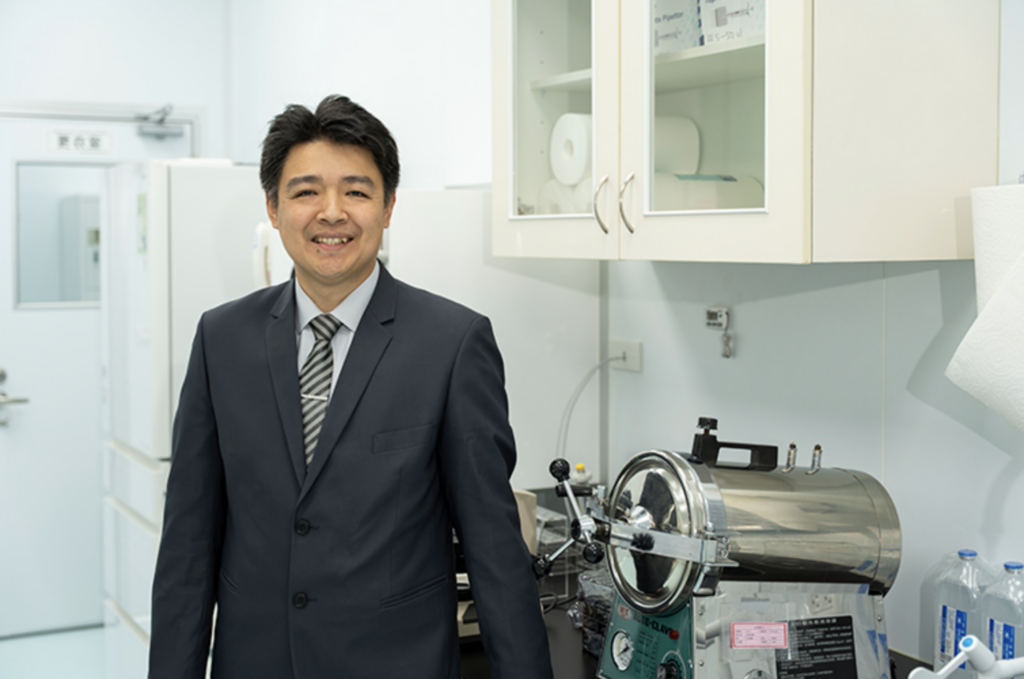
BioCraft Lab lead Chang (張裕華), whose background is in medical laboratory science, emphasizes quantification and purification in development. He explains that conventional PLT and autologous vesicles require separate storage and handling. The PLTex approach quantifies and purifies both components before combining them in one lyophilized vial, aiming to retain their integrity and activity while improving handling, consistency and room-temperature storage.
Chang emphasizes practical clinical use rather than packaging alone. He identifies safety, stability and effectiveness as the team’s priorities. The report describes interest in applications spanning skin repair, post-aesthetic care, hair-related care, orthopedics and rehabilitation.
The laboratory describes multilayer separation and leukocyte filtration to isolate the desired components and reduce irritation, followed by low-temperature freeze-drying for storage. According to Chang, the material is reconstituted with saline before use, simplifying physician handling.
Chang says the laboratory uses standardized procedures for separation, purification and leukocyte removal, with complete operating protocols and experience from clinical partners.
Traceable Standards and International Certification
As the laboratory expanded, Chang reported that BioCraft Lab obtained international GMP and ISO certifications at the end of January 2026. He described environmental monitoring, zoning controls, lyophilized purification processes and upgraded automated equipment as part of the work to make each step measurable and traceable.
Looking ahead, Chang sees growing demand for safe, verifiable regenerative ingredients as the boundary between clinical care and skincare becomes less distinct. He describes BioCraft Lab’s role as building transparent, traceable biotechnology standards and helping research progress into practical use.
Original photography: Lin Chih-yuan. Statements about laboratory findings, applications and certification are retained as attributed reporting from the original article.
Images from the Original Article
BIOTECH
Where expertise and aesthetics meet.
Linkou Headquarters
Taichung Office
This website is intended for medical and biotechnology professionals. Members of the public should consult a qualified healthcare provider.
© 2026 HERBEST BIOTECH