
BIOTECH
MEDIA / PLT 2.0 ARCHIVE
Dr. Lee Discusses PLT and Growth Factors in Aesthetic Care
Original article published February 22, 2025
繁中 | EN
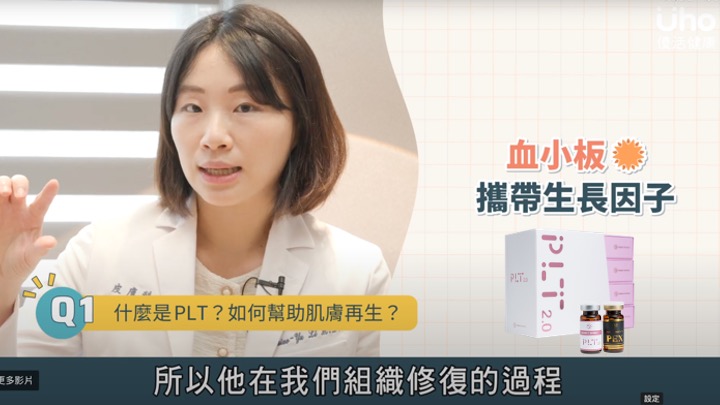
Dr. Lee (李曉育) of 弘育皮膚科 and its 日皙 aesthetic service discusses platelet-lyophilized preparations in this archived feature. The article describes PLT as a platelet preparation obtained from a person’s own blood and processed into a freeze-dried form, with platelet-associated growth factors forming the rationale for its use.
Combining approaches within a clinical plan
Dr. Lee discusses the earlier use of platelet-related approaches for joints and muscles, and the interest in their application to skin. Her examples range from redness and pigmentation to acne scars, fine lines and laxity, with the choice guided by the individual concern.
The interview discusses combinations with picosecond or fractional laser procedures and energy-based treatments. Dr. Lee reports using platelet-related preparations in recovery plans for controlled wounds and in discussions of collagen remodeling. For acne-prone patients with inflammation and scarring, vascular laser, fractional or microneedling radiofrequency options are among the combinations described.
These are the physician’s reported practices and observations. An autologous source does not by itself establish that a procedure has no risks or suits everyone.
Preparation and treatment experience
Dr. Chang (張弘) explains the original preparation workflow using a 250 cc blood draw, with the resulting vials allocated to selected areas. Facial and scalp use are discussed, and an approximately five-square-centimeter area per vial appears as a planning example in the report.
Local anesthesia and cooling are mentioned during treatment. The article describes temporary redness or small bruises and a roughly three-day recovery example. The doctors discuss avoiding irritating activities such as hot-spring bathing during the first week, maintaining moisturizing and sun protection, and following their instructions for swelling or other reactions.
Follow-up rather than a one-time promise
Dr. Lee discusses a four-to-six-session course spaced about a month apart, with a reported six-to-twelve-month effect interval. These are examples from the interview, not a guaranteed duration. Topical application is also mentioned for people who dislike injections.
The feature describes interest from people who have reached a plateau with conventional procedures, prefer to avoid fillers, or have several concerns to address. It closes with a gradual, individualized approach and continued discussion with the treating physician.
Source: HERBEST’s archived feature with Dr. Lee (李曉育) and Dr. Chang (張弘). Original image retained.
BIOTECH
Where expertise and aesthetics meet.
Linkou Headquarters
Taichung Office
This website is intended for medical and biotechnology professionals. Members of the public should consult a qualified healthcare provider.
© 2026 HERBEST BIOTECH